
Proof of Address and Proof of Income: Essential Verification Documents for Fintech Compliance

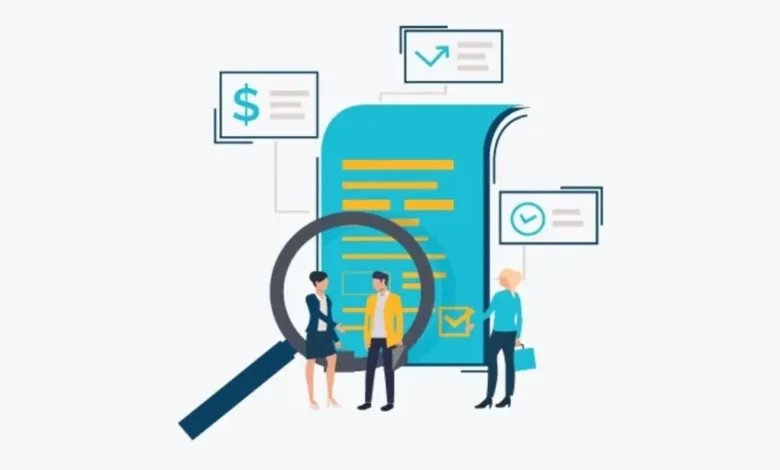
In today’s digital financial ecosystem, customer verification has become a critical requirement for fintech companies, banks, lending institutions, and payment service providers. Regulatory authorities worldwide require businesses to verify customer identities and assess financial legitimacy before providing financial services. Two of the most important documents used during this process are proof of address and proof of income.


These verification documents help financial institutions reduce fraud, comply with Know Your Customer (KYC) regulations, and make informed decisions regarding customer onboarding and risk assessment. Understanding the importance of proof of address and proof of income is essential for both businesses and consumers participating in the modern financial landscape.
What Is Proof of Address?
Proof of address is a document that verifies an individual’s residential address. Financial institutions and fintech companies use proof of address documents to confirm that customers reside where they claim to live.
Address verification is a crucial component of KYC compliance and helps organizations prevent identity theft, money laundering, and financial fraud. By verifying customer addresses, businesses can establish trust and maintain compliance with regulatory requirements.
Common Proof of Address Documents
Several official documents can serve as valid proof of address, including:
- Utility bills (electricity, gas, water, internet)
- Bank statements
- Credit card statements
- Government-issued correspondence
- Tax documents
- Mortgage statements
- Rental agreements
- Property ownership documents
- Insurance statements
- Municipal registration certificates
Most financial institutions require these documents to be recent, typically issued within the last three months.
Why Is Proof of Address Important?
Proof of address plays a significant role in customer verification and regulatory compliance. It enables organizations to:
Prevent Identity Fraud
Fraudsters often use stolen identities with fake addresses to open accounts or conduct illegal transactions. Address verification helps businesses identify inconsistencies and suspicious activities.
Meet KYC and AML Requirements
Financial regulators require businesses to verify customer identities as part of Anti-Money Laundering (AML) and KYC programs. Proof of address is a mandatory verification step in many jurisdictions.
Improve Risk Assessment
Knowing where a customer resides helps organizations evaluate geographical risks, sanctions exposure, and regulatory obligations.
Enhance Customer Trust
Robust verification processes create a secure environment that protects both businesses and legitimate customers.
What Is Proof of Income?
Proof of income refers to documentation that demonstrates an individual’s earnings, financial stability, and ability to meet financial obligations. Fintech companies, lenders, and banks use proof of income to assess customer affordability and creditworthiness.
Income verification helps organizations determine whether applicants can repay loans, maintain account balances, or qualify for specific financial products.
Common Proof of Income Documents
Various documents can be used to verify income, including:
- Salary slips or pay stubs
- Employment verification letters
- Bank statements showing salary deposits
- Tax returns
- Income tax assessments
- Pension statements
- Freelance contracts and invoices
- Profit and loss statements for self-employed individuals
- Social security benefit statements
- Investment income records
The type of document required often depends on the customer’s employment status and the financial service being requested.
Why Is Proof of Income Important?
Proof of income provides valuable insights into a customer’s financial situation. It helps organizations:
Assess Financial Capability
Lenders need assurance that borrowers can repay loans and credit obligations. Income verification helps determine affordability.
Reduce Credit Risk
Accurate income assessment minimizes default risk and improves lending decisions.
Prevent Financial Fraud
Fraudsters may exaggerate or falsify income information to obtain loans or financial products. Verification helps detect fraudulent claims.
Comply with Regulatory Standards
Many financial regulations require institutions to evaluate customer financial profiles before approving products and services.
The Role of Proof of Address and Proof of Income in Fintech
The rapid growth of fintech services has transformed customer onboarding processes. Digital banks, lending platforms, cryptocurrency exchanges, and payment providers rely heavily on proof of address and proof of income verification.
Digital Customer Onboarding
Fintech companies use automated verification technologies to validate customer documents quickly and accurately. Customers can upload proof of address and proof of income documents through mobile apps or online portals.
Enhanced Fraud Prevention
Advanced verification systems use artificial intelligence and machine learning to detect forged documents, manipulated records, and suspicious activity patterns.
Faster Loan Approvals
Automated income verification allows fintech lenders to evaluate applicants efficiently, reducing approval times and improving customer experience.
Regulatory Compliance
Fintech companies operate in highly regulated environments. Address and income verification help them maintain compliance with KYC, AML, and consumer protection requirements.
Challenges in Address and Income Verification
Despite their importance, verifying proof of address and proof of income presents several challenges.
Document Fraud
Fraudsters increasingly use sophisticated tools to create fake utility bills, bank statements, and income documents.
Manual Verification Errors
Human reviewers may overlook inconsistencies or make mistakes during document analysis.
Customer Friction
Lengthy verification processes can discourage users and lead to onboarding abandonment.
Global Verification Complexity
Different countries use varying document formats, making international verification more challenging.
How Technology Improves Verification Processes
Modern fintech companies are leveraging advanced technologies to streamline verification workflows.
Optical Character Recognition (OCR)
OCR technology extracts information from uploaded documents automatically, reducing manual data entry and processing time.
Artificial Intelligence
AI-powered systems can detect document tampering, identify inconsistencies, and verify authenticity with greater accuracy.
Digital Identity Verification
Combining identity verification with proof of address and proof of income creates a comprehensive customer verification framework.
Real-Time Verification
Automated systems can validate customer documents within seconds, improving operational efficiency and user experience.
Best Practices for Collecting Proof of Address and Proof of Income
Organizations should follow best practices to ensure effective verification.
Define Clear Document Requirements
Customers should understand which documents are accepted and how recent they must be.
Use Automated Verification Solutions
Automation reduces processing times, improves accuracy, and enhances scalability.
Implement Risk-Based Verification
Higher-risk customers may require additional verification measures and supporting documentation.
Maintain Regulatory Compliance
Verification procedures should align with local and international regulatory requirements.
Protect Customer Data
Organizations must implement strong security measures to safeguard sensitive personal and financial information.
Conclusion
Proof of address and proof of income are fundamental components of modern customer verification processes. These documents help fintech companies, banks, and financial institutions verify customer identities, assess financial stability, prevent fraud, and comply with regulatory requirements.
As digital financial services continue to expand, the importance of accurate and efficient verification processes will only increase. By leveraging advanced technologies such as AI, OCR, and automated document verification, organizations can streamline onboarding, improve compliance, and deliver a secure customer experience.
For fintech companies seeking sustainable growth and regulatory compliance, robust proof of address and proof of income verification procedures remain essential pillars of trust, security, and operational excellence.
Latest Insights for You: OutstandingEpic

OutstandingEpic Editorial Team is an independent digital publishing unit focused on delivering high-quality, insight-driven content across technology, business, health, gaming, sports, and home improvement.
Rather than following generic reporting, the team combines data-backed research, market observations, and real-world analysis to break down complex topics into practical, easy-to-understand insights. From emerging crypto trends and digital innovations to everyday lifestyle improvements, every piece of content is crafted with clarity, accuracy, and reader value in mind.
The team’s approach is centered on relevance and usability—ensuring that readers not only stay informed but also gain actionable knowledge they can apply in real scenarios. By continuously tracking industry shifts and evolving online trends, OutstandingEpic Editorial Team maintains a consistent standard of trustworthy and up-to-date content.
Expertise: Data-Driven Insights, Crypto & Market Trends, Digital Strategy, Tech & Innovation
Coverage: Technology, Business, Health, Gaming, Sports, Home Improvement
Approach: Research-Based, Practical, and User-Focused Content
Updated: April 2026