
How to Install Bathtub Faucet: The Complete Step-by-Step Guide for a Professional-Quality Upgrade

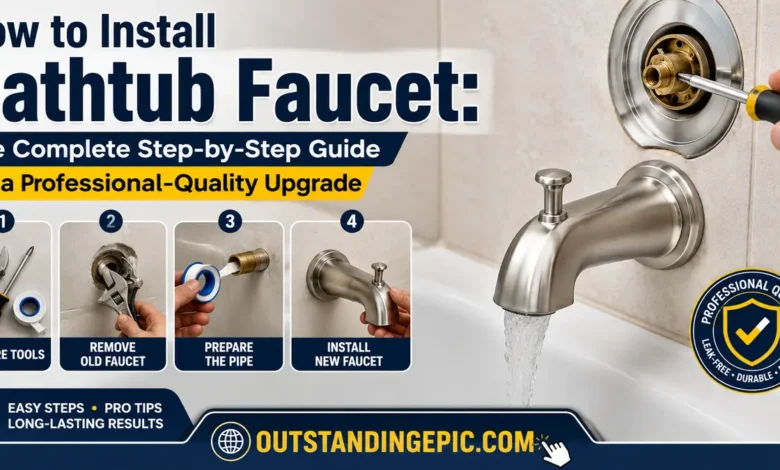
A bathtub faucet might seem like a simple fixture, but it plays a major role in the functionality, appearance, and comfort of your bathroom. Whether you’re replacing an outdated fixture, fixing a persistent leak, or upgrading your bathroom’s style, learning how to install bathtub faucet correctly can save money and help you achieve professional-level results.

Many homeowners assume bathtub faucet installation is a complicated plumbing project that requires extensive experience. In reality, the process becomes much easier when you understand the type of faucet you’re working with, gather the proper tools, and follow a clear installation sequence.
A new bathtub faucet can improve water flow, eliminate leaks, enhance efficiency, and instantly modernize your bathroom. More importantly, a properly installed fixture prevents future water damage and reduces maintenance headaches.
This comprehensive guide walks through everything you need to know, from preparation and tool selection to installation, troubleshooting, and long-term care. Whether you’re a beginner tackling your first plumbing project or an experienced DIY enthusiast looking for expert insights, you’ll find practical advice that makes the job easier and more successful.
Why Replacing a Bathtub Faucet Is Worth the Effort
A bathtub faucet experiences daily wear from water pressure, mineral deposits, temperature fluctuations, and regular use. Over time, these factors can cause leaks, corrosion, reduced water flow, and cosmetic deterioration.
Replacing an old fixture often provides immediate benefits. Modern faucets are designed with improved engineering, better finishes, and enhanced durability. Many newer models also offer water-saving features without sacrificing performance.
Beyond functionality, aesthetics matter. A stylish faucet can transform the look of a bathroom without requiring a full renovation. In many cases, changing the faucet creates a noticeable visual upgrade at a fraction of the cost of larger remodeling projects.
As many professional plumbers say, “Small fixture upgrades often deliver the biggest visual impact for the least investment.” This is especially true in bathrooms where every detail contributes to the overall appearance.
Understanding Different Types of Bathtub Faucets
Before learning how to install bathtub faucet fixtures, it’s important to identify the type currently installed in your bathroom.
The installation method varies depending on the faucet design and mounting configuration.
| Faucet Type | Installation Location | Common Features | Difficulty Level |
|---|---|---|---|
| Wall-Mounted | Attached to wall above tub | Traditional design | Moderate |
| Deck-Mounted | Mounted on tub deck | Elegant appearance | Moderate |
| Roman Tub Faucet | Installed on tub rim | High-end look | Advanced |
| Freestanding Faucet | Positioned beside tub | Luxury style | Advanced |
| Tub Spout with Diverter | Standard bathtub wall installation | Works with shower systems | Easy to Moderate |
Wall-mounted and standard tub spout installations are generally the most common and straightforward for DIY projects.
Roman tub and freestanding models often require more extensive plumbing modifications and may demand professional assistance depending on your experience level.
Tools and Materials You’ll Need
Preparation significantly influences project success. Having everything ready before starting prevents interruptions and frustration.
Common tools include:
- Adjustable wrench
- Pipe wrench
- Screwdrivers
- Plumber’s tape
- Allen wrench set
- Utility knife
- Bucket
- Clean cloths
- Silicone sealant
- Flashlight
- Measuring tape
Materials may include:
- New bathtub faucet
- Replacement mounting hardware
- Supply lines if needed
- Pipe fittings
- Escutcheon plates
- Plumber’s putty where applicable
Always verify the manufacturer’s installation requirements before purchasing additional materials.
Essential Safety Steps Before Starting
Safety should always be the first priority during plumbing work.
Begin by shutting off the water supply to the bathtub. In some homes, local shutoff valves may be available near the fixture. If not, turn off the home’s main water supply.
After shutting off the water, open the faucet to release residual pressure from the pipes. This minimizes the chance of unexpected water discharge during removal.
Place a towel or protective covering inside the tub to prevent scratches from dropped tools. Keep a bucket nearby to catch any remaining water in the plumbing system.
Electrical safety also matters. If lighting fixtures, heated flooring, or nearby electrical outlets are present, ensure the work area remains dry throughout the installation process.
Inspecting the Existing Plumbing System
Before removing anything, carefully examine the current setup.
Look for signs of:
- Corrosion
- Mineral buildup
- Pipe damage
- Previous repair attempts
- Water stains
- Mold growth
These issues may indicate underlying plumbing problems that should be addressed before installing a new fixture.
Take photos of the existing configuration. These reference images can be extremely useful if you need to reconnect components later.
Measuring pipe spacing, thread sizes, and mounting dimensions beforehand also reduces compatibility issues when installing a replacement faucet.
Removing the Old Bathtub Faucet
One of the most important stages in learning how to install bathtub faucet systems is understanding proper removal techniques.
Start by identifying the attachment method. Some tub spouts use threaded connections, while others rely on set screws.
For threaded spouts, rotate the fixture counterclockwise to remove it. Use a cloth around the fixture if additional grip is needed to avoid damaging the finish.
For set-screw models, locate the screw underneath the spout. Loosen it using the appropriate Allen wrench before sliding the spout off the pipe.
Once removed, inspect the exposed pipe carefully. Clean away debris, old sealant, rust, and mineral deposits. A clean connection surface improves sealing and helps prevent leaks after installation.
Avoid forcing stubborn components. Excessive pressure can damage pipes hidden behind walls, turning a simple upgrade into a major repair project.
Preparing the Installation Area
Proper preparation often determines whether the installation goes smoothly or becomes frustrating.
After removing the old fixture, thoroughly clean the surrounding area. Remove old caulk, plumber’s tape, and accumulated residue.
Check wall surfaces and mounting areas for damage. Repairing minor issues now is easier than addressing them after the new faucet is installed.
If threaded connections are present, inspect the threads carefully. Damaged threads can cause leaks and may require replacement fittings before proceeding.
A clean, stable, and properly prepared installation area significantly improves the likelihood of long-term success.
How to Install a Standard Threaded Tub Spout
For many homeowners, this is the most common scenario when learning how to install bathtub faucet fixtures.
Begin by wrapping plumber’s tape around the pipe threads. Apply the tape clockwise so it remains secure during installation.
Thread the new spout onto the pipe by hand. Continue rotating until the fixture sits snugly against the wall.
Avoid overtightening. Excessive force can crack components or damage plumbing connections.
Once properly positioned, verify alignment. The spout should face directly into the tub and sit flush against the wall.
After installation, restore water pressure and check for leaks. Even a small drip indicates the need for adjustment.
Installing a Slip-Fit Tub Spout
Some modern bathtub spouts use slip-fit designs rather than threaded connections.
These models slide onto a smooth copper pipe and secure with a set screw.
Begin by measuring the pipe length according to the manufacturer’s specifications. The pipe must extend the correct distance from the wall.
Slide the spout onto the pipe until it contacts the wall surface.
Tighten the set screw carefully. Secure enough to prevent movement, but avoid excessive force that could damage the pipe.
Many homeowners appreciate slip-fit designs because they simplify installation and eliminate threading concerns.
Installing a Wall-Mounted Bathtub Faucet
Wall-mounted fixtures require greater precision and planning.
When learning how to install bathtub faucet systems in wall-mounted configurations, accurate measurements become critical.
Begin by ensuring plumbing connections align correctly with the faucet body. Most manufacturers specify exact spacing requirements.
Attach mounting hardware securely according to instructions.
Connect hot and cold water lines carefully, applying plumber’s tape where appropriate.
Once mounted, check that the faucet sits level and operates smoothly. Even slight alignment errors become noticeable in finished installations.
Because wall-mounted systems expose more plumbing connections behind finished surfaces, leak testing is especially important.
Leak Testing After Installation
Leak testing is one of the most overlooked yet essential parts of any faucet installation.
Restore water pressure slowly.
Inspect all visible connections while the water begins flowing through the fixture.
Look for:
- Drips
- Moisture accumulation
- Water stains
- Pressure loss
- Unusual noises
Allow water to run for several minutes. Some leaks appear only after pressure stabilizes.
Check again after several hours and once more the following day.
Professional plumbers often follow a simple principle: “Never assume a connection is leak-free until it has been tested under normal operating conditions.”
Common Installation Mistakes to Avoid
Many faucet problems stem from avoidable errors during installation.
One frequent mistake is skipping thread sealant. Without proper sealing, even perfectly aligned connections may leak.
Another common issue involves overtightening. Excessive force damages fittings, strips threads, and shortens fixture lifespan.
Incorrect measurements also cause frustration. A faucet that appears compatible may not fit properly if spacing requirements differ.
Ignoring manufacturer instructions is another major problem. Each faucet design includes specific installation requirements that should always take priority.
Patience and attention to detail generally prevent most installation failures.
Troubleshooting Problems After Installation
Even when installed carefully, issues can occasionally arise.
If water leaks from the spout connection, inspect the threads and sealing tape. Reapplying plumber’s tape often resolves minor leaks.
If water flow seems weak, check for debris inside the aerator or plumbing lines.
Temperature control problems may indicate incorrectly connected supply lines.
Unusual noises can result from trapped air in the plumbing system. Running water for several minutes often eliminates air pockets.
Persistent issues should be investigated immediately. Small leaks can eventually cause significant water damage if ignored.
Comparing DIY Installation and Professional Installation
Many homeowners debate whether to handle installation themselves or hire a plumber.
DIY installation offers cost savings and personal satisfaction. For standard tub spouts and basic faucet replacements, many homeowners successfully complete the project in a few hours.
Professional installation provides expertise, efficiency, and warranty protection. Complex systems such as freestanding or Roman tub faucets often justify professional involvement.
The best choice depends on:
- Plumbing experience
- Project complexity
- Available tools
- Budget
- Comfort level with repairs
A straightforward replacement is often an excellent DIY project, while extensive plumbing modifications may warrant professional assistance.
Maintenance Tips for Long-Term Performance
Understanding how to install bathtub faucet fixtures is only part of the equation. Proper maintenance ensures long-lasting performance.
Regular cleaning prevents mineral deposits from accumulating on surfaces and internal components.
Use non-abrasive cleaners to protect decorative finishes.
Inspect connections periodically for signs of moisture or corrosion.
Address minor leaks immediately before they become larger problems.
If you live in an area with hard water, consider installing a water softening system to reduce mineral buildup and extend fixture lifespan.
Routine care significantly increases durability and preserves appearance.
Choosing the Right Replacement Faucet
Selecting the correct faucet involves more than appearance.
Consider factors such as:
- Material quality
- Finish durability
- Water efficiency
- Brand reputation
- Warranty coverage
- Compatibility with existing plumbing
Solid brass construction generally offers superior durability compared to lower-cost alternatives.
Popular finishes include chrome, brushed nickel, matte black, bronze, and stainless steel. Each provides distinct aesthetic advantages.
Reading customer reviews and researching manufacturer support can help identify reliable products that deliver long-term value.
Advanced Considerations for Luxury Bathtub Installations
High-end bathtub installations often involve specialized faucet systems.
Freestanding tubs frequently pair with floor-mounted fixtures that require concealed plumbing beneath the floor surface.
Roman tub faucets may include hand showers, multiple handles, and custom mounting configurations.
These installations demand careful planning, accurate measurements, and a deeper understanding of plumbing systems.
While experienced DIY enthusiasts can sometimes complete advanced projects successfully, professional guidance may be beneficial when structural modifications or complex plumbing work is required.
Saving Money During a Faucet Upgrade
Replacing a faucet does not necessarily require a large budget.
One effective strategy is focusing on quality rather than luxury branding. Many mid-range faucets deliver excellent durability and appearance at a lower price point.
Shopping during seasonal sales can also reduce costs significantly.
Additionally, handling installation yourself eliminates labor expenses. For many homeowners, learning how to install bathtub faucet fixtures becomes a valuable skill that pays for itself immediately.
Balancing quality, compatibility, and budget leads to the most satisfying long-term results.
Conclusion
Learning how to install bathtub faucet fixtures is a practical skill that can improve your bathroom’s appearance, functionality, and value. With proper preparation, the right tools, and careful attention to detail, many homeowners can successfully complete the project without professional assistance.
The key to success lies in understanding your faucet type, preparing the installation area thoroughly, following manufacturer guidelines, and performing comprehensive leak testing afterward. Small details such as proper sealing, accurate measurements, and patient installation practices make a significant difference in long-term performance.
Whether you’re replacing a worn-out fixture, upgrading bathroom aesthetics, or improving water efficiency, a properly installed bathtub faucet provides lasting benefits. By applying the techniques and best practices covered in this guide, you can achieve reliable results and enjoy a more functional, attractive bathing space for years to come.
FAQ
How long does it take to install a bathtub faucet?
The time required depends on the faucet type and the condition of the existing plumbing. A standard replacement may take one to three hours for most homeowners. More complex installations involving wall-mounted, Roman tub, or freestanding fixtures can require significantly more time due to additional plumbing adjustments and alignment requirements.
Can a beginner learn how to install bathtub faucet fixtures successfully?
Yes, many beginners can complete a basic bathtub faucet replacement with proper preparation and patience. The key is understanding the faucet type, gathering the correct tools, shutting off the water supply, and carefully following installation instructions. Simple threaded and slip-fit spouts are generally the most beginner-friendly options.
Why is my bathtub faucet leaking after installation?
Leaks often result from insufficient thread sealing, damaged threads, loose fittings, or improper alignment. Rechecking connections, replacing plumber’s tape, and ensuring components are properly tightened usually resolve minor leaks. Persistent leaks should be addressed immediately to prevent water damage.
Do I need a plumber to replace a bathtub faucet?
Not always. Many standard faucet replacements are suitable DIY projects. However, if plumbing modifications, wall access, floor-mounted systems, or major repairs are involved, professional installation may be the safer and more efficient choice. Complex projects benefit from expert knowledge and specialized tools.
What tools are most important for bathtub faucet installation?
The most commonly used tools include an adjustable wrench, Allen wrench set, screwdriver, plumber’s tape, measuring tape, utility knife, and flashlight. Having the proper tools available before starting helps streamline the project and reduces installation errors.
How often should a bathtub faucet be replaced?
A quality faucet can last 15 to 25 years or longer with proper maintenance. Replacement becomes necessary when leaks persist, corrosion develops, water flow decreases significantly, or the fixture no longer meets aesthetic or functional needs. Regular inspection helps identify problems before they become severe.
What is the easiest type of bathtub faucet to install?
Slip-fit and threaded tub spouts are generally the easiest options for homeowners. These designs typically require fewer tools and less plumbing expertise than wall-mounted, Roman tub, or freestanding faucet systems. Proper measurements and careful installation remain important regardless of faucet type.
Latest Insights for You: OutstandingEpic

OutstandingEpic Editorial Team is an independent digital publishing unit focused on delivering high-quality, insight-driven content across technology, business, health, gaming, sports, and home improvement.
Rather than following generic reporting, the team combines data-backed research, market observations, and real-world analysis to break down complex topics into practical, easy-to-understand insights. From emerging crypto trends and digital innovations to everyday lifestyle improvements, every piece of content is crafted with clarity, accuracy, and reader value in mind.
The team’s approach is centered on relevance and usability—ensuring that readers not only stay informed but also gain actionable knowledge they can apply in real scenarios. By continuously tracking industry shifts and evolving online trends, OutstandingEpic Editorial Team maintains a consistent standard of trustworthy and up-to-date content.
Expertise: Data-Driven Insights, Crypto & Market Trends, Digital Strategy, Tech & Innovation
Coverage: Technology, Business, Health, Gaming, Sports, Home Improvement
Approach: Research-Based, Practical, and User-Focused Content
Updated: April 2026