
How to Clear a Clogged Kitchen Sink Drain: The Ultimate Expert Guide for Fast, Safe, Long-Term Results

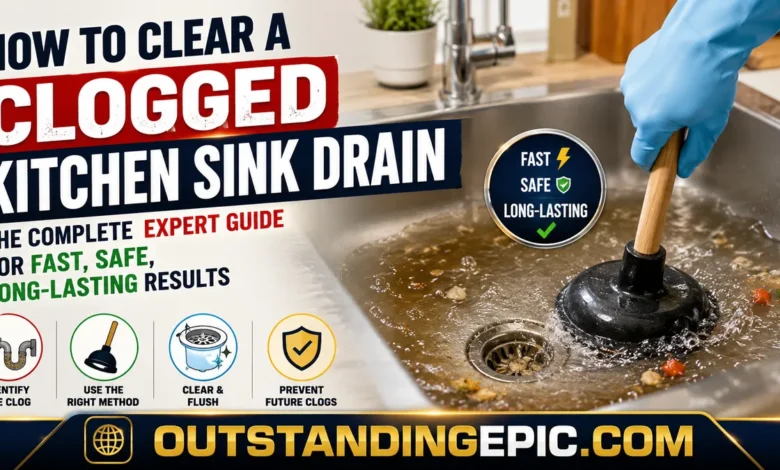
A clogged kitchen sink drain can turn a normal day into a frustrating mess within minutes. Water starts pooling in the basin, strange smells drift through the kitchen, and even simple tasks like washing dishes suddenly become stressful. For many homeowners, the immediate assumption is that a plumber is necessary. In reality, most sink drain clogs can be handled effectively with the right approach, a few practical tools, and a better understanding of what causes blockages in the first place.


Learning how to clear a clogged kitchen sink drain is not only about fixing a temporary inconvenience. It is also about protecting your plumbing system, avoiding expensive repairs, improving kitchen hygiene, and preventing recurring drainage issues. Whether the clog is caused by grease, food scraps, soap residue, mineral buildup, or garbage disposal problems, the correct method can restore proper drainage quickly and safely.
Why Kitchen Sink Drains Clog More Frequently Than Other Household Drains
Kitchen drains process far more than water. Every day, they encounter cooking grease, oils, coffee grounds, soap residue, starchy foods, vegetable fibers, and tiny food particles that gradually collect inside the pipes. Over time, these materials stick to pipe walls and reduce water flow capacity, eventually creating a stubborn blockage.
Unlike bathroom drains that mainly deal with hair and soap, kitchen sinks face a constantly changing mixture of organic waste and grease. Even small amounts of buildup can trap additional debris, creating layers that slowly narrow the drain line. Many serious clogs begin as minor residue accumulation that goes unnoticed for weeks or months.
The Most Common Warning Signs of a Developing Drain Blockage
A slow-draining sink is often the earliest indication that a clog is forming somewhere within the plumbing system. Water may begin draining sluggishly after washing dishes, while occasional bubbling or gurgling sounds suggest restricted airflow inside the pipes. These early symptoms usually appear before a complete blockage develops.
Unpleasant odors are another common warning sign. Food particles trapped inside the drain begin decomposing and create sour or rotten smells that spread throughout the kitchen. If water starts backing up into nearby drains or the garbage disposal struggles to work efficiently, the obstruction may already be becoming more severe.
Understanding the Difference Between Minor and Major Kitchen Sink Clogs
Minor clogs are usually located close to the drain opening and often involve grease, soap film, or loose food particles. These blockages generally respond well to hot water, plunging, or natural cleaning methods. Homeowners can often restore normal drainage quickly without advanced tools.
Major clogs are typically deeper within the plumbing system and may involve hardened grease, compacted waste, mineral scale, or even structural plumbing problems. Multiple backed-up drains or recurring sink issues can indicate a more serious obstruction affecting the larger drain line rather than a simple localized blockage.
Essential Safety Precautions Before Cleaning a Drain
Before attempting any drain-cleaning method, remove as much standing water from the sink as possible. This allows tools and cleaning solutions to reach the clog more effectively while reducing splashing and mess. Wearing rubber gloves is also important because kitchen drains contain bacteria, debris, and potentially sharp objects.
If the sink includes a garbage disposal, disconnect the power before placing hands or tools near the drain opening. Electrical safety is critical during any plumbing maintenance process. Homeowners should also avoid mixing chemical drain cleaners because certain combinations can produce dangerous fumes or pipe damage.
How to Clear a Clogged Kitchen Sink Drain Using Boiling Water
One of the simplest ways to learn how to clear a clogged kitchen sink drain involves using boiling water. This method works especially well for grease-based clogs because heat helps soften oily residue coating the inside of the pipes. As the grease loosens, water can begin flowing more freely again.
Bring a large pot or kettle of water to a boil and pour it slowly into the drain in stages rather than all at once. Allow a few seconds between pours so the heat has time to work through the buildup. This method is inexpensive, environmentally friendly, and often surprisingly effective for mild blockages.
Why Dish Soap and Hot Water Work for Greasy Drains
Dish soap is specifically formulated to cut through oils and grease on cookware, making it useful for certain kitchen drain clogs. When combined with hot water, the soap can break apart greasy residue trapped inside the plumbing system and help restore smoother water flow.
Pour a generous amount of grease-cutting dish soap into the drain, followed by hot water. Let the mixture sit briefly before flushing additional hot water through the pipe. Many homeowners repeat this process regularly as preventative maintenance to reduce grease accumulation over time.
Using Baking Soda and Vinegar to Loosen Organic Buildup
Baking soda and vinegar create a bubbling reaction that helps loosen soft organic debris inside drain pipes. This natural cleaning combination is popular because it reduces odors and avoids the harsh chemicals found in many commercial drain cleaners.
Start by pouring baking soda into the drain, followed by vinegar. Cover the drain temporarily to keep the fizzing reaction concentrated inside the pipe. After waiting around fifteen minutes, flush the drain thoroughly with hot water to remove loosened buildup and improve drainage.
The Correct Way to Use a Sink Plunger
A sink plunger creates pressure that can break apart or dislodge soft clogs within the drain line. Unlike toilet plungers, sink plungers have flat cups designed to seal effectively around sink drains. A proper seal is necessary for strong suction and pressure.
Fill the sink with enough water to cover the plunger cup before plunging rapidly several times. If the sink has two basins, block the second opening with a cloth or stopper to improve suction. Many sink clogs break free after less than a minute of consistent plunging.
Cleaning the P-Trap Under the Kitchen Sink
The curved pipe located beneath the sink, called the P-trap, commonly collects grease, food debris, and sludge. Because of its shape, it naturally slows water flow and becomes one of the most common locations for localized clogs.
Place a bucket beneath the pipe before loosening the slip nuts that hold the trap in place. Remove the pipe carefully and clean out any accumulated residue or trapped debris. Reassemble the trap securely and test the drain afterward to ensure proper water flow and leak-free connections.
How Drain Snakes Help Remove Deep Blockages
Drain snakes, also known as plumber’s augers, are flexible tools designed to reach clogs deeper inside the plumbing system. Their rotating cables move through bends in the pipe while breaking apart compacted debris or retrieving trapped material.
Insert the snake slowly into the drain while turning the handle steadily. Resistance often indicates contact with the clog. Continue rotating gently to break through the blockage or hook debris for removal. Flush the drain with hot water afterward to clear remaining particles.
Using a Wet and Dry Vacuum to Pull Out Clogs
A wet and dry vacuum can create strong suction capable of removing certain sink clogs directly from the pipe. This method works especially well for loose food debris or soft obstructions near the drain opening.
Switch the vacuum to liquid mode and create the tightest seal possible around the drain opening. A towel wrapped around the hose can improve suction. Short bursts of vacuum pressure may loosen or remove the clog entirely, especially after softening grease buildup with hot water first.
Why Chemical Drain Cleaners Can Cause Bigger Problems
Chemical drain cleaners may appear convenient, but many contain corrosive ingredients that can weaken pipes over time. These products generate heat while dissolving clogs, which may damage older plumbing systems or certain plastic pipe materials.
Frequent chemical cleaner use can also create safety hazards. Splashing chemicals can burn skin or eyes, while mixing products accidentally may produce dangerous fumes. Many professional plumbers recommend mechanical cleaning methods instead because they address blockages without exposing pipes to harsh reactions.
Garbage Disposal Issues That Mimic Drain Clogs
Garbage disposals can sometimes create symptoms that resemble standard drain blockages. Fibrous vegetables, grease, starches, and eggshell membranes may jam the disposal mechanism or restrict water movement beneath the unit.
Resetting the disposal or manually turning the grinding mechanism can occasionally solve the issue. However, persistent drainage problems often indicate residue buildup farther down the connected pipes. Understanding how disposal systems interact with kitchen drains helps identify the true source of the problem.
Foods and Materials That Should Never Enter Kitchen Drains
Grease is one of the most damaging substances for household plumbing because it hardens inside pipes and traps additional debris. Coffee grounds, rice, pasta, flour, and eggshells also contribute heavily to stubborn kitchen sink clogs.
Fibrous foods such as celery, onion skins, and corn husks can wrap around garbage disposal components and interfere with operation. Even biodegradable materials can accumulate over time inside older plumbing systems and create recurring drainage problems.
Comparing the Most Effective Drain Cleaning Methods
Different clog-removal methods vary in effectiveness, safety, and suitability depending on the type of blockage involved. Choosing the correct approach helps avoid wasted effort and reduces the risk of pipe damage.
The table below compares several common methods homeowners use when learning how to clear a clogged kitchen sink drain effectively and safely.
| Method | Best For | Difficulty | Cost | Pipe Safety | Effectiveness |
|---|---|---|---|---|---|
| Boiling Water | Light grease buildup | Easy | Very Low | High | Moderate |
| Dish Soap and Hot Water | Grease clogs | Easy | Low | High | Moderate |
| Baking Soda and Vinegar | Mild organic buildup | Easy | Low | Very High | Moderate |
| Sink Plunger | Soft localized clogs | Easy | Low | High | High |
| P-Trap Cleaning | Visible sink blockages | Moderate | Low | High | High |
| Drain Snake | Deep compacted debris | Moderate | Medium | High | Very High |
| Wet and Dry Vacuum | Loose debris | Moderate | Medium | High | Moderate |
| Chemical Cleaner | Certain severe clogs | Easy | Medium | Low | Temporary |
| Hydro Jetting | Heavy pipe buildup | Professional | High | High when done correctly | Extremely High |
Why Grease Is the Leading Cause of Kitchen Sink Drain Problems
Many homeowners underestimate how destructive grease can be inside plumbing systems. While oils appear harmless in liquid form, they cool rapidly inside drain pipes and harden into sticky residue that traps food particles and debris.
Hot water may temporarily move grease farther along the pipe, but it eventually cools and solidifies elsewhere within the system. This is why repeated grease disposal down the sink often leads to recurring blockages that become increasingly difficult to remove.
How Hard Water Contributes to Drain Buildup
Hard water contains high concentrations of minerals such as calcium and magnesium. Over time, these minerals form deposits inside plumbing pipes, narrowing water pathways and creating rough surfaces where grease and debris accumulate more easily.
Mineral buildup can also reduce overall plumbing efficiency and contribute to recurring kitchen sink clogs. Homes located in areas with hard water often experience faster drain buildup and may benefit from periodic descaling maintenance or water treatment systems.
The Importance of Pipe Material in Drain Maintenance
Different plumbing materials respond differently to buildup, cleaning methods, and chemical exposure. Older galvanized steel pipes often develop rust and rough interior surfaces that trap debris aggressively over time.
PVC pipes resist corrosion effectively but may become damaged by excessive heat or harsh chemical cleaners. Copper plumbing provides durability and smoother interior surfaces, though grease accumulation can still occur. Understanding pipe material helps homeowners choose safer drain-cleaning techniques.
When Slow Drains Indicate a Larger Plumbing Issue
Not every kitchen sink clog is caused by simple food buildup. Tree root intrusion, collapsed pipes, sewer line damage, or poor plumbing installation can all create recurring drainage problems that standard cleaning methods fail to solve permanently.
If multiple drains in the home begin backing up simultaneously, the issue may involve the main sewer line rather than an isolated sink clog. Professional inspection equipment such as drain cameras can identify hidden structural plumbing problems accurately.
Preventative Habits That Keep Kitchen Drains Flowing Smoothly
Preventing clogs is far easier and less expensive than removing severe blockages later. Installing sink strainers helps stop food particles from entering the drain, while wiping greasy cookware before washing reduces oil accumulation inside pipes.
Running hot water after washing dishes can also help flush lingering residue through the plumbing system before it hardens. Monthly maintenance using natural cleaning methods often keeps kitchen drains functioning efficiently and reduces long-term buildup.
Seasonal Factors That Affect Kitchen Drain Performance
Drain problems often increase during colder months because grease solidifies faster in lower temperatures. Holiday cooking seasons also produce more food waste, oils, and heavy sink usage, increasing stress on kitchen plumbing systems.
Warm weather can intensify odors caused by decomposing food trapped inside drains. Seasonal awareness helps homeowners adjust maintenance habits proactively and reduce the likelihood of sudden sink failures during periods of heavy kitchen activity.
Why DIY Drain Maintenance Saves Money
Learning how to clear a clogged kitchen sink drain can prevent expensive emergency plumbing visits and reduce long-term repair costs. Minor clogs addressed early usually require only simple tools and minimal effort.
Ignoring slow drainage often allows buildup to worsen until professional intervention becomes necessary. Routine maintenance protects cabinets, flooring, countertops, and plumbing components from water damage associated with severe sink backups.
Professional Plumbers Focus on Root Causes
Experienced plumbers rarely rely on guesswork when diagnosing drain problems. They evaluate symptoms carefully, identify likely blockage locations, and choose cleaning methods based on pipe condition and clog composition.
Master plumber Daniel Herrera explains, “The most effective drain repair is the one that removes the cause permanently instead of creating temporary flow.” This approach highlights why recurring clogs often return when underlying buildup remains untreated.
How to Clear a Clogged Kitchen Sink Drain in Older Homes
Older homes often contain aging plumbing systems with narrowed pipes, corrosion, and decades of accumulated residue. These conditions make kitchen sink clogs more common and sometimes more difficult to remove safely.
Mechanical cleaning methods such as drain snakes and careful P-trap cleaning are generally safer for fragile older plumbing than aggressive chemical treatments. Persistent problems may require professional inspection to evaluate pipe deterioration or outdated plumbing layouts.
Eco-Friendly Approaches to Kitchen Drain Cleaning
Natural drain-cleaning methods have become increasingly popular among homeowners seeking environmentally responsible alternatives to chemical cleaners. Baking soda, vinegar, enzyme cleaners, and hot water provide lower-impact options for maintaining healthy drains.
Eco-friendly cleaning also improves indoor air quality because strong chemical fumes can irritate respiratory systems. While natural methods may require consistency and patience, they often support healthier plumbing systems and safer household environments over time.
Common Mistakes People Make When Clearing Sink Drains
One of the biggest mistakes homeowners make is overusing chemical drain cleaners after simple methods fail. Excessive chemical exposure can damage pipes, complicate future repairs, and create dangerous conditions during professional service visits.
Another common mistake involves improper plunging technique. Failing to seal secondary drain openings reduces suction dramatically and limits effectiveness. Some people also continue running water despite obvious drainage resistance, leading to unnecessary overflow damage.
Signs That It Is Time to Call a Professional Plumber
Persistent clogs, sewage odors, overflowing drains, and water backing up into multiple fixtures usually indicate problems beyond basic DIY repair. Repeated blockages may signal deeper plumbing issues requiring specialized tools and professional expertise.
Professional plumbers use drain cameras, motorized augers, and hydro jetting systems capable of resolving severe obstructions safely. Calling for assistance early often prevents larger repair expenses and reduces the risk of extensive water damage.
How Hydro Jetting Restores Severely Blocked Pipes
Hydro jetting uses highly pressurized water streams to clean the inside surfaces of plumbing pipes thoroughly. Unlike basic snaking, which may only create a temporary opening through the clog, hydro jetting removes grease, sludge, mineral deposits, and debris from the pipe walls.
This method is especially effective for households experiencing chronic buildup problems or commercial kitchens handling heavy grease loads. Professional evaluation is important beforehand because damaged or fragile pipes may not tolerate high-pressure cleaning safely.
Why Recurring Drain Clogs Should Never Be Ignored
Recurring clogs are often signs that buildup remains somewhere in the plumbing system or that structural pipe issues are developing. Temporary fixes without addressing the root cause usually allow the problem to worsen over time.
Ignoring repeated drainage issues may eventually lead to sewage backups, leaking pipes, mold growth, or major plumbing repairs. Early intervention helps protect both the home’s plumbing infrastructure and overall property condition.
Long-Term Strategies for Maintaining Healthy Kitchen Drains
The best long-term drain maintenance strategy combines prevention, regular cleaning, and early response to warning signs. Simple habits such as disposing of grease properly, using sink strainers, and flushing drains regularly with hot water make a significant difference.
Homeowners who understand how to clear a clogged kitchen sink drain also become more aware of changing drainage patterns over time. Recognizing slow drainage, odors, or unusual sounds early allows problems to be solved before they escalate into larger plumbing emergencies.
Conclusion
Kitchen sink drain clogs are one of the most common household plumbing problems, but they are also among the most manageable when approached correctly. From boiling water and plungers to drain snakes and preventative maintenance, effective solutions depend on understanding the type and severity of the blockage involved.
Learning how to clear a clogged kitchen sink drain provides benefits far beyond a single repair. It helps homeowners protect plumbing systems, avoid costly emergencies, maintain cleaner kitchens, and improve long-term household efficiency. With the right preventative habits and practical techniques, most kitchen drain problems can be handled safely and effectively before they become serious disruptions.
FAQ
What is the quickest way to clear a clogged kitchen sink drain?
The quickest method for how to clear a clogged kitchen sink drain usually involves boiling water, dish soap, and plunging. This combination works well for soft grease and food buildup near the drain opening.
Can baking soda and vinegar damage kitchen pipes?
No, baking soda and vinegar are generally safe for most plumbing systems when used properly. Many homeowners use this natural solution regularly for mild drain maintenance.
Why does my kitchen sink keep clogging repeatedly?
Recurring clogs are often caused by grease buildup, mineral deposits, pipe damage, or deeper plumbing obstructions. Persistent issues may require professional inspection.
Is it safe to use chemical drain cleaners often?
Frequent chemical cleaner use is not recommended because harsh ingredients can weaken pipes and create safety risks. Mechanical and natural methods are safer long-term alternatives.
When should I call a plumber for a clogged kitchen sink?
You should contact a plumber if multiple drains back up, sewage odors appear, or repeated DIY methods fail to restore normal drainage.
Can garbage disposals cause sink drain problems?
Yes, overloaded or jammed garbage disposals can restrict water flow and create symptoms similar to standard drain clogs.
How often should kitchen drains be cleaned preventatively?
Monthly maintenance using hot water and natural cleaners can help reduce buildup and keep kitchen drains flowing efficiently.
Does hard water make drain clogs worse?
Yes, hard water minerals create deposits inside pipes that trap grease and food particles more easily, accelerating blockage formation.
What foods should never go down a kitchen sink drain?
Grease, coffee grounds, pasta, rice, flour, eggshells, and fibrous vegetables should stay out of drains because they commonly contribute to clogs.
Are drain snakes more effective than plungers?
Drain snakes are usually better for deep or compacted blockages, while plungers work best for soft clogs located near the sink opening.
Latest Insights for You: OutstandingEpic

OutstandingEpic Editorial Team is an independent digital publishing unit focused on delivering high-quality, insight-driven content across technology, business, health, gaming, sports, and home improvement.
Rather than following generic reporting, the team combines data-backed research, market observations, and real-world analysis to break down complex topics into practical, easy-to-understand insights. From emerging crypto trends and digital innovations to everyday lifestyle improvements, every piece of content is crafted with clarity, accuracy, and reader value in mind.
The team’s approach is centered on relevance and usability—ensuring that readers not only stay informed but also gain actionable knowledge they can apply in real scenarios. By continuously tracking industry shifts and evolving online trends, OutstandingEpic Editorial Team maintains a consistent standard of trustworthy and up-to-date content.
Expertise: Data-Driven Insights, Crypto & Market Trends, Digital Strategy, Tech & Innovation
Coverage: Technology, Business, Health, Gaming, Sports, Home Improvement
Approach: Research-Based, Practical, and User-Focused Content
Updated: April 2026