
UV DTF Transfers: The Ultimate Expert Guide to Next-Level Custom Printing and Durable Design Applications


Explore UV DTF Transfers for durable, vibrant custom printing on multiple surfaces. Learn benefits, uses, and expert strategies.


In the rapidly evolving world of custom printing, UV DTF Transfers have emerged as a breakthrough solution that combines precision, durability, and creative flexibility. Whether you’re running a print business or exploring personalized product creation, this technology offers a smarter, more scalable way to deliver high-quality designs across multiple surfaces.
Unlike traditional methods that restrict material compatibility or require complex setups, UV DTF Transfers provide a streamlined workflow that produces vibrant, long-lasting results. This guide explores everything—from fundamentals to advanced strategies—so you can confidently understand, adopt, and scale with this powerful printing innovation.
Understanding the Core Concept of UV DTF Transfers
UV DTF Transfers represent a modern printing technique that allows designs to be printed onto a film and then transferred directly onto a surface without heat. This method uses ultraviolet-curable inks that instantly solidify when exposed to UV light, ensuring sharp detail and excellent adhesion.
What makes this process truly impactful is its ability to work across a wide variety of hard surfaces. From glass and acrylic to metal and plastic, this method removes many of the traditional limitations found in older printing technologies.
The Technology Behind UV-Based Printing Systems
At the heart of this method is UV ink technology, which cures instantly under ultraviolet light. This rapid curing process not only speeds up production but also enhances the durability of the printed design.
The system typically involves layered printing, including a color layer, white ink backing, and adhesive coating. These layers work together to ensure opacity, vibrancy, and strong bonding to the final surface.
Why UV DTF Transfers Are Gaining Industry Attention
Businesses across industries are adopting UV DTF Transfers because of their unmatched versatility. They allow printing on uneven or curved surfaces that are otherwise difficult to handle with conventional methods.
Additionally, the reduced need for specialized setups makes them attractive for small businesses. This accessibility is helping entrepreneurs enter the custom printing market with lower barriers and faster turnaround times.
Key Advantages That Set This Method Apart
One of the standout benefits is the ability to achieve high-resolution prints with vivid color output. The prints maintain their appearance even after prolonged use, making them ideal for commercial applications.
Another major advantage is efficiency. The process eliminates the need for heat pressing, reducing both production time and equipment costs while maintaining consistent quality.
Where This Technology Is Commonly Used
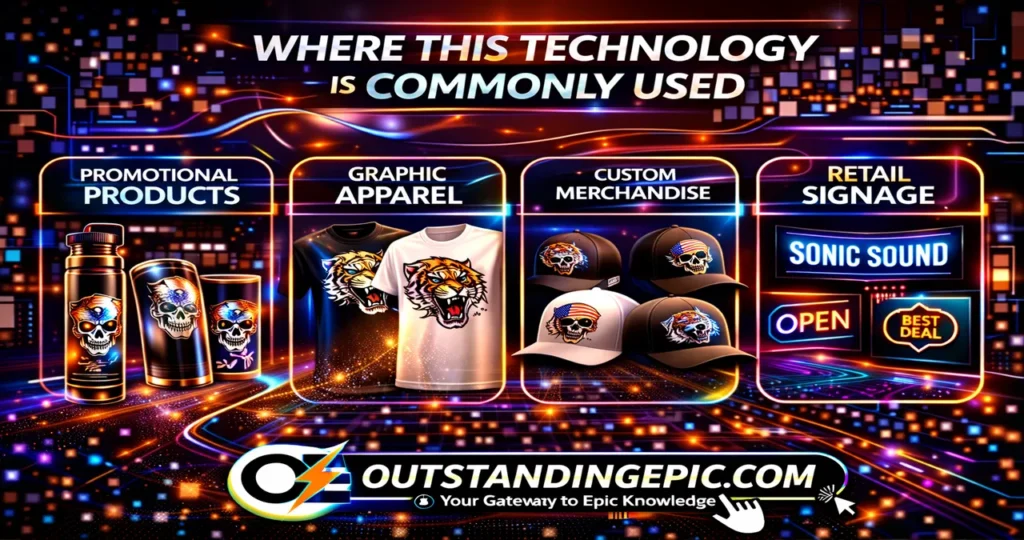
This printing method is widely used in the production of promotional items such as mugs, bottles, phone cases, and packaging materials. Its adaptability allows businesses to offer diverse product lines without investing in multiple technologies.
It is also gaining popularity in the crafting and personalization space. Artists and creators can produce premium-quality custom items with minimal setup, enabling faster scaling of creative businesses.
Comparison with Other Printing Techniques
| Feature | UV-Based Transfer Method | Sublimation | Screen Printing | Vinyl |
|---|---|---|---|---|
| Surface Range | Very Wide | Limited | Medium | Medium |
| Durability | High | Medium | High | Medium |
| Setup Complexity | Low | Medium | High | Low |
| Production Speed | Fast | Medium | Slow | Fast |
| Heat Requirement | No | Yes | Yes | Yes |
This comparison shows how UV DTF Transfers offer a balanced combination of speed, quality, and flexibility that many traditional methods struggle to match.
Surface Compatibility and Material Flexibility
One of the biggest strengths of this technology is its compatibility with non-porous surfaces. Materials such as glass, acrylic, metal, ceramic, and plastic work exceptionally well.
Even slightly curved or textured surfaces can achieve strong adhesion. This flexibility allows businesses to experiment with new product categories and expand their offerings.
Design Guidelines for Best Results
High-resolution artwork is essential for achieving professional output. Clear, sharp designs ensure that fine details are preserved during the printing and transfer process.
Color management is equally important. Since UV inks produce vibrant tones, designers should optimize color profiles to maintain consistency across different materials.
Equipment and Workflow Essentials
To get started, businesses typically need a UV printer, transfer films, adhesive layers, and a laminating setup. While the initial investment may seem high, it pays off through efficiency and scalability.
Modern systems are increasingly user-friendly, making it easier for beginners to learn the process quickly. This has contributed to the rapid growth of adoption across different business sizes.
Cost Efficiency and Business Scalability

One of the most attractive aspects of UV DTF Transfers is their cost efficiency. The ability to produce on demand reduces waste and eliminates the need for large inventories.
This makes it an ideal solution for both startups and established businesses. With proper planning, companies can achieve strong margins while maintaining competitive pricing.
Durability and Long-Term Performance
Products created using this method are highly resistant to scratches, moisture, and environmental exposure. This makes them suitable for both indoor and outdoor use.
Customers benefit from long-lasting designs that retain their visual appeal over time. This durability enhances brand reputation and encourages repeat purchases.
Environmental Impact and Sustainability Considerations
Compared to traditional printing methods, UV-based systems are more environmentally friendly. They produce fewer emissions and reduce material waste.
Additionally, the efficiency of the process contributes to lower energy consumption. This aligns well with modern sustainability goals and consumer expectations.
Challenges and Practical Limitations
Despite its advantages, this method is not ideal for soft or highly flexible materials like fabrics. Businesses must carefully choose the right applications for optimal results.
There is also a learning curve involved in mastering the transfer process. Proper training and practice are essential to maintain consistent quality.
Market Trends and Future Growth Potential
The demand for customized products continues to grow, and UV DTF Transfers are well-positioned to meet this demand. Advances in automation and design software are further enhancing efficiency.
As more businesses adopt this technology, competition will increase. However, those who focus on quality and innovation will continue to stand out in the market.
Real-World Business Scenario
Imagine a small startup specializing in personalized gifts. By adopting UV DTF Transfers, they expand their product line from basic prints to premium customized items.
Within months, their production speed improves, and customer satisfaction increases. This demonstrates how the right technology can significantly impact business growth.
Expert Insight on Industry Evolution
“Modern printing technologies are shifting toward flexibility and efficiency, and UV-based transfer methods are leading that transformation.”
This insight highlights the growing importance of adaptable printing solutions in today’s competitive landscape.
Strategic Tips for Beginners and Professionals

Start by focusing on a niche product category to build expertise. This allows you to refine your process before expanding into other areas.
Consistency is key. Maintaining quality standards will help build trust and establish a strong brand presence in the market.
Common Misunderstandings Clarified
Some believe this method is only suitable for large-scale operations, but it is equally effective for small businesses and individual creators.
Another misconception is that the process is overly technical. In reality, modern systems are designed to simplify workflows and improve accessibility.
Conclusion
UV DTF Transfers have redefined what is possible in custom printing by offering a powerful combination of versatility, durability, and efficiency. From small-scale creators to large businesses, this technology provides a practical pathway to producing high-quality customized products.
As the demand for personalization continues to rise, adopting UV DTF Transfers can give businesses a competitive edge. By understanding the process, optimizing workflows, and focusing on quality, you can unlock long-term success in this evolving industry.
FAQs
What are UV DTF Transfers used for
UV DTF Transfers are used to apply durable, high-quality designs onto hard surfaces like glass, metal, and plastic for customization and branding.
Are UV DTF Transfers long-lasting
Yes, UV DTF Transfers are highly durable and resistant to scratches, moisture, and fading, making them ideal for long-term use.
Do UV DTF Transfers require heat
No, UV DTF Transfers do not require heat, which simplifies the application process and reduces production time.
Can beginners use UV DTF Transfers easily
Yes, with basic training, beginners can successfully use UV DTF Transfers due to modern user-friendly equipment.
What materials work best with UV DTF Transfers
UV DTF Transfers work best on non-porous surfaces such as glass, acrylic, ceramic, plastic, and metal.
Latest Insights for You: OutstandingEpic

OutstandingEpic Editorial Team is an independent digital publishing unit focused on delivering high-quality, insight-driven content across technology, business, health, gaming, sports, and home improvement.
Rather than following generic reporting, the team combines data-backed research, market observations, and real-world analysis to break down complex topics into practical, easy-to-understand insights. From emerging crypto trends and digital innovations to everyday lifestyle improvements, every piece of content is crafted with clarity, accuracy, and reader value in mind.
The team’s approach is centered on relevance and usability—ensuring that readers not only stay informed but also gain actionable knowledge they can apply in real scenarios. By continuously tracking industry shifts and evolving online trends, OutstandingEpic Editorial Team maintains a consistent standard of trustworthy and up-to-date content.
Expertise: Data-Driven Insights, Crypto & Market Trends, Digital Strategy, Tech & Innovation
Coverage: Technology, Business, Health, Gaming, Sports, Home Improvement
Approach: Research-Based, Practical, and User-Focused Content
Updated: April 2026