
How to Tame a Silver Fox: The Complete Guide to Understanding, Socializing, and Building Trust With One of Nature’s Most Fascinating Animals

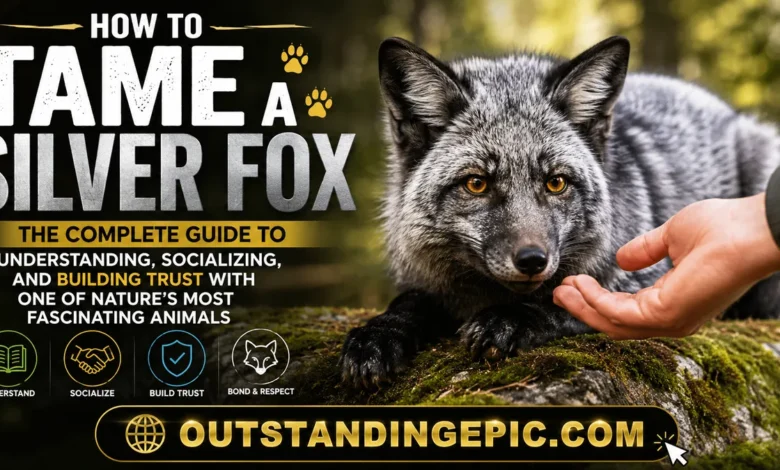
Silver foxes are among the most striking animals in the canine family. Their dark coats, intelligent eyes, and curious personalities have fascinated people for generations. Whether someone encounters a silver fox through wildlife education, conservation programs, or the rare circumstance of caring for a captive-bred fox, the question often arises: how to tame a silver fox in a safe, ethical, and realistic way.
The answer is more complex than many people expect. Unlike domestic dogs, foxes remain fundamentally different in behavior, communication, instincts, and social needs. Building trust with a silver fox requires patience, consistency, respect for boundaries, and a deep understanding of animal behavior.
This guide explores the realities behind fox taming, including what is possible, what is not, and how responsible handlers develop positive relationships with these intelligent animals. Instead of focusing on unrealistic expectations, the goal is to provide practical, evidence-based insights that prioritize both animal welfare and human safety.
Understanding What a Silver Fox Really Is
Before discussing how to tame a silver fox, it is important to understand what a silver fox actually is. A silver fox is not a separate species. It is a melanistic form of the red fox (Vulpes vulpes), characterized by dark fur with silver-tipped guard hairs that create its distinctive appearance.
Silver foxes share many traits with red foxes. They are highly intelligent, adaptable, observant, and naturally cautious. In the wild, survival depends on their ability to assess risks quickly and avoid potential threats. This natural caution is one of the biggest reasons foxes do not automatically trust humans.
Many people mistakenly assume foxes behave like dogs because both belong to the canine family. However, foxes evolved differently and retain many behaviors that make them unique. Their communication methods, social structures, and reactions to unfamiliar situations often differ significantly from domestic dogs.
Understanding these differences forms the foundation for any successful relationship with a silver fox.
The Difference Between Taming and Domestication
One of the most misunderstood aspects of how to tame a silver fox involves the distinction between taming and domestication.
Taming refers to reducing an individual animal’s fear of humans through positive experiences and repeated interaction. A tamed fox may become comfortable around people, accept handling, respond to cues, and display affectionate behavior.
Domestication, by contrast, occurs across many generations through selective breeding. Dogs became domesticated over thousands of years. Their behavior changed genetically over time.
A famous long-term fox breeding project demonstrated that selecting foxes for friendliness toward humans could dramatically alter behavior across generations. These foxes became more social, less fearful, and more responsive to human interaction.
However, even friendly captive-bred foxes are not identical to dogs. Their instincts remain strong, and their behavior can be unpredictable compared to traditional domestic animals.
Is It Ethical to Tame a Silver Fox?
Ethics should always come before curiosity.
When discussing how to tame a silver fox, it is essential to recognize that wild foxes should generally remain wild. Attempting to capture and tame a wild fox often causes significant stress and can create welfare concerns for the animal.
Wild foxes play important ecological roles. Removing them from their natural environment can negatively affect both the individual animal and the surrounding ecosystem.
Ethical interactions typically involve:
- Captive-bred foxes in legal environments
- Licensed wildlife rehabilitation programs
- Educational facilities
- Conservation projects
- Research institutions
As wildlife biologists often emphasize, “Respecting an animal’s nature is the first step toward earning its trust.”
A healthy relationship with a fox begins with recognizing and respecting its natural instincts rather than attempting to suppress them.
Can Every Silver Fox Be Tamed?
Not every fox responds the same way.
Temperament varies based on genetics, age, early experiences, environment, and individual personality. Some foxes become highly social and enjoy human interaction. Others remain cautious despite years of positive handling.
The following table illustrates factors that influence taming success:
| Factor | Influence on Trust Building |
|---|---|
| Early socialization | Very high |
| Genetics | High |
| Consistent human interaction | High |
| Environment quality | High |
| Stress levels | Moderate to high |
| Previous negative experiences | High |
| Training methods | High |
| Individual personality | Very high |
Understanding these variables helps set realistic expectations. Success is not measured by creating a dog-like companion but by developing mutual trust and reducing fear.
Building Trust From the Beginning
Anyone researching how to tame a silver fox should understand that trust-building is the most important stage.
Foxes naturally assess potential threats before engaging. Moving too quickly often creates setbacks. The process works best when the fox controls the pace of interaction.
Begin by spending quiet time near the animal without demanding engagement. Allow the fox to observe, investigate, and become familiar with your presence.
Consistency matters enormously. Feeding schedules, interaction times, and environmental routines help establish predictability. Animals often become more relaxed when they understand what to expect.
Avoid sudden movements, loud noises, and forced handling. Trust grows through repeated positive experiences rather than dominance or control.
Over time, many foxes begin approaching voluntarily. This voluntary engagement is often the first major milestone in developing a positive relationship.
Creating the Right Environment
Environment has a major impact on behavior.
A stressed fox is unlikely to become comfortable with human interaction. An enriched environment helps reduce anxiety and encourages natural confidence.
Important environmental features include:
- Secure enclosures
- Shelter from weather
- Climbing opportunities
- Digging areas
- Mental enrichment
- Safe retreat spaces
- Visual barriers for privacy
Foxes often need places where they can withdraw when overwhelmed. Providing a safe hiding area allows the animal to regulate stress levels naturally.
An environment that supports natural behaviors contributes significantly to successful socialization and trust development.
Using Positive Reinforcement Effectively
Positive reinforcement is one of the most valuable tools in how to tame a silver fox.
This approach rewards desired behaviors instead of punishing unwanted ones. When a fox associates human interaction with positive outcomes, trust often develops more quickly.
Effective rewards may include:
- Favorite foods
- Verbal praise
- Toys
- Enrichment activities
- Gentle interaction
Timing is important. Rewards should occur immediately after the desired behavior whenever possible.
For example, if a fox voluntarily approaches, offering a reward reinforces that decision. Over time, the fox begins associating human presence with positive experiences.
Punishment generally creates fear and damages trust. Fear-based methods often slow progress and may increase defensive behaviors.
Understanding Fox Body Language
Reading body language correctly is essential when learning how to tame a silver fox.
Foxes communicate constantly through posture, movement, vocalizations, and facial expressions.
Common signs of comfort include:
- Relaxed posture
- Curiosity
- Voluntary approach
- Play behavior
- Soft eye contact
- Tail carried naturally
Signs of stress may include:
- Flattened ears
- Avoidance
- Rapid movements
- Defensive vocalizations
- Excessive pacing
- Tense body posture
Recognizing these signals helps handlers adjust their behavior appropriately.
Trust develops more effectively when humans respond respectfully to what the animal is communicating.
Socialization During Early Development
Early-life experiences often influence lifelong behavior.
Young foxes exposed to positive human interaction during critical developmental periods may become more comfortable around people than those introduced later.
This does not guarantee success, but it can create a stronger foundation.
Early socialization should include:
- Gentle exposure to people
- Positive environmental experiences
- Novel objects
- Different sounds
- Routine handling when appropriate
The goal is confidence rather than dependence.
Well-socialized foxes often adapt more easily to new situations and show greater resilience when encountering unfamiliar experiences.
Common Mistakes People Make
Many setbacks occur because people misunderstand fox behavior.
One common mistake is expecting dog-like obedience. Foxes process situations differently and may not respond consistently to commands.
Another mistake involves rushing physical contact. Some individuals attempt handling before trust has developed, creating fear and resistance.
Additional errors include:
- Inconsistent routines
- Overcrowded environments
- Excessive noise
- Punishment-based training
- Ignoring stress signals
Successful handlers focus on patience rather than speed.
The strongest relationships often emerge gradually over months or even years.
Training a Silver Fox
Training can provide mental stimulation and strengthen communication.
When exploring how to tame a silver fox, training should be viewed as relationship-building rather than control.
Many foxes can learn:
- Name recognition
- Target training
- Recall behaviors
- Crate entry
- Basic cues
- Cooperative care routines
Short sessions usually work best. Foxes often lose interest if training becomes repetitive.
Using food rewards and positive reinforcement helps maintain engagement and enthusiasm.
Training should remain enjoyable and voluntary whenever possible.
Managing Natural Instincts
Even highly social foxes retain powerful instincts.
Digging, scent marking, hunting behaviors, and exploration are deeply ingrained. Attempting to eliminate these behaviors entirely is usually unrealistic.
Instead, successful management focuses on providing appropriate outlets.
Examples include:
- Digging zones
- Puzzle feeders
- Scent enrichment
- Exploration opportunities
- Foraging activities
Meeting behavioral needs reduces frustration and contributes to overall well-being.
Understanding instincts rather than fighting them is a key principle behind long-term success.
Health and Nutrition Considerations
A healthy fox is generally more capable of positive social interaction.
Proper nutrition supports energy levels, immune function, coat condition, and overall behavior.
Dietary needs vary depending on age, health status, and professional recommendations. Many captive foxes require balanced diets that include appropriate proteins, nutrients, and enrichment opportunities.
Regular veterinary care is equally important.
Health problems sometimes appear as behavioral issues. Pain, illness, or discomfort may cause withdrawal, aggression, or anxiety.
Monitoring physical health helps ensure behavioral assessments remain accurate.
Safety Considerations for Humans and Foxes
Safety should never be overlooked when considering how to tame a silver fox.
Even friendly foxes can bite when frightened, startled, or stressed. Respecting boundaries protects both the animal and the handler.
Important safety principles include:
- Avoid forcing interaction
- Supervise encounters carefully
- Learn body language
- Maintain secure enclosures
- Follow local laws and regulations
- Prioritize animal welfare
Responsible care requires balancing trust-building with appropriate caution.
Confidence and respect should coexist.
Realistic Expectations for Long-Term Relationships
Many people imagine a fox behaving like a dog after taming. Reality is often more nuanced.
A fox may enjoy interaction yet remain independent. It may seek attention one day and prefer solitude the next.
Successful relationships are built on understanding rather than expectation.
One experienced wildlife educator summarized the concept well: “The goal isn’t to change a fox into something else. The goal is to understand what makes a fox a fox.”
This perspective often leads to healthier and more rewarding interactions.
Patience, consistency, and respect tend to produce better outcomes than attempts to force affection.
The Future of Fox Socialization Research
Scientific interest in fox behavior continues to grow.
Researchers study genetics, cognition, communication, and social development to better understand how foxes interact with humans and their environments.
These studies provide valuable insights into animal behavior and the processes that influence trust, fear, and social bonding.
As knowledge expands, best practices for care, enrichment, and socialization continue to improve.
Understanding the science behind behavior helps create more ethical and effective approaches to human-animal relationships.
Conclusion
Learning how to tame a silver fox requires patience, realism, and respect for the animal’s nature. While some foxes can become highly social and comfortable around people, trust develops gradually through consistent positive experiences rather than force or dominance.
Success depends on understanding fox behavior, creating a supportive environment, using positive reinforcement, recognizing body language, and maintaining realistic expectations. Every fox is an individual, and progress may vary significantly from one animal to another.
The most rewarding relationships emerge when people appreciate foxes for what they truly are: intelligent, curious, independent animals with unique needs and remarkable personalities. By prioritizing welfare, trust, and ethical care, it is possible to build meaningful connections while respecting the qualities that make silver foxes so fascinating.
FAQ
How long does it take to tame a silver fox?
The timeline varies greatly depending on genetics, age, environment, and previous experiences. When learning how to tame a silver fox, some individuals may show trust within weeks, while others require months or even years of consistent positive interaction. Patience is one of the most important factors in the process.
Can a wild silver fox become completely tame?
Wild foxes can become accustomed to human presence under certain circumstances, but complete taming is often difficult and may not be appropriate. Wild animals retain strong survival instincts, and ethical considerations should always guide interactions. In most situations, wild foxes are best left in their natural environment.
Are silver foxes friendly like dogs?
Silver foxes may develop affectionate relationships with trusted humans, but they generally differ from dogs in behavior and social structure. Understanding these differences is essential when studying how to tame a silver fox because expectations based on dog behavior can lead to misunderstandings.
What is the best way to gain a silver fox’s trust?
Trust is usually built through consistency, positive reinforcement, predictable routines, and respect for boundaries. Allowing the fox to approach voluntarily often produces better results than forcing interaction. Calm behavior and patience help create a sense of security.
Can silver foxes be trained?
Yes, many foxes can learn basic behaviors, target training, recall cues, and cooperative care routines. Positive reinforcement methods are generally the most effective. Training should remain engaging, voluntary, and focused on building communication rather than control.
Is it legal to keep a silver fox?
Laws vary significantly by region and country. Some areas prohibit private ownership, while others allow it under specific conditions. Anyone interested in how to tame a silver fox should thoroughly research local regulations and prioritize animal welfare before considering any form of ownership or care.
Why do some silver foxes remain fearful of humans?
Fear can result from genetics, limited socialization, past negative experiences, environmental stress, or individual personality traits. Not every fox will respond identically to human interaction. Respecting the animal’s comfort level is essential for building trust over time.
Latest Insights for You: OutstandingEpic

OutstandingEpic Editorial Team is an independent digital publishing unit focused on delivering high-quality, insight-driven content across technology, business, health, gaming, sports, and home improvement.
Rather than following generic reporting, the team combines data-backed research, market observations, and real-world analysis to break down complex topics into practical, easy-to-understand insights. From emerging crypto trends and digital innovations to everyday lifestyle improvements, every piece of content is crafted with clarity, accuracy, and reader value in mind.
The team’s approach is centered on relevance and usability—ensuring that readers not only stay informed but also gain actionable knowledge they can apply in real scenarios. By continuously tracking industry shifts and evolving online trends, OutstandingEpic Editorial Team maintains a consistent standard of trustworthy and up-to-date content.
Expertise: Data-Driven Insights, Crypto & Market Trends, Digital Strategy, Tech & Innovation
Coverage: Technology, Business, Health, Gaming, Sports, Home Improvement
Approach: Research-Based, Practical, and User-Focused Content
Updated: April 2026