
English to Old Norse: The Ultimate Guide to Translating, Understanding, and Reconstructing a Legendary Language


Translating from modern English to Old Norse is more than a linguistic exercise—it’s a journey into the language of Vikings, sagas, and early medieval Scandinavia. Whether you’re a writer, researcher, gamer, or language enthusiast, understanding how to approach english to old norse translation unlocks a powerful connection to history, mythology, and cultural identity.
Old Norse is not just an “old version” of English. It’s a distinct North Germanic language with its own grammar, syntax, vocabulary, and poetic tradition. That’s why translating modern English directly into Old Norse requires more than a dictionary—it demands context, structure, and a deep appreciation for how the language actually functioned.
What Is Old Norse and Why It Matters
Old Norse was the language spoken across Scandinavia and Viking settlements from roughly the 8th to the 14th century. It is the linguistic ancestor of modern Icelandic and has influenced many English words, especially through Viking contact in Britain.
Understanding english to old norse translation matters because it bridges historical linguistics, literature, and cultural storytelling. From Norse mythology texts like the Eddas to runic inscriptions, Old Norse carries a richness that modern English simply cannot replicate without careful reconstruction.
Key Differences Between English and Old Norse
Modern English and Old Norse differ significantly in grammar, vocabulary, and sentence structure. English relies heavily on word order, while Old Norse uses inflections—changing word endings to indicate meaning and relationships.
Another major difference lies in gender and cases. Old Norse nouns have grammatical gender and are declined across cases such as nominative, accusative, genitive, and dative. This makes english to old norse translation more complex than simple word substitution.
The Role of Grammar in Accurate Translation
Grammar is the backbone of any successful english to old norse conversion. Without understanding declensions and verb conjugations, translations can quickly become inaccurate or even meaningless.
Old Norse verbs change based on tense, mood, and subject, while nouns shift based on their grammatical role. This means translators must think structurally rather than relying on direct word equivalents.
Vocabulary Challenges in English to Old Norse
One of the biggest challenges in english to old norse translation is vocabulary mismatch. Many modern English words simply did not exist in the Viking Age, especially those related to technology or modern culture.
In such cases, translators either approximate meaning using existing Old Norse terms or reconstruct phrases that convey the intended idea. This requires creativity and historical awareness rather than literal translation.
Understanding Old Norse Sentence Structure
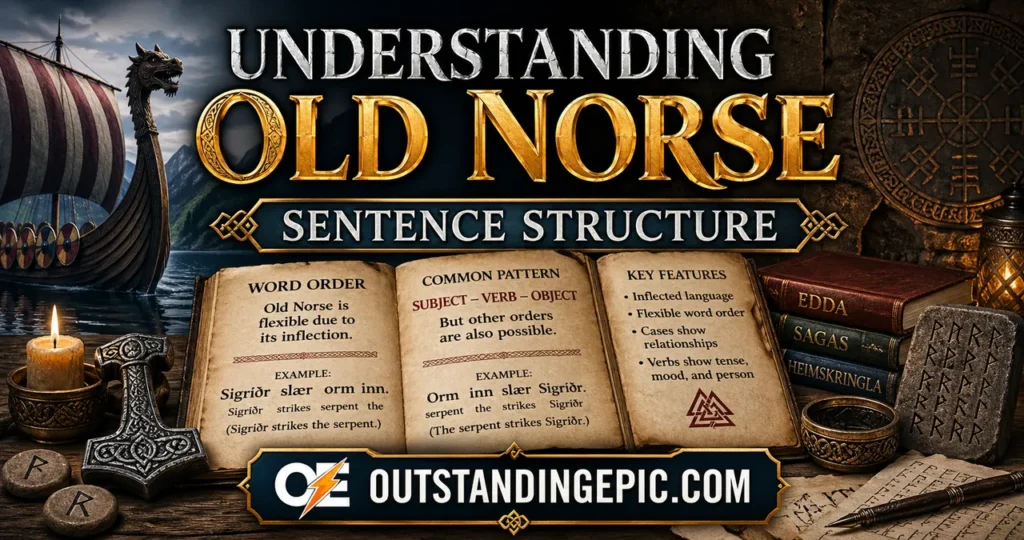
Old Norse sentence structure is more flexible than English due to its inflected nature. While English typically follows a strict Subject-Verb-Object order, Old Norse allows variations depending on emphasis and style.
For accurate english to old norse translation, it’s important to recognize that word order can shift without losing meaning, as long as grammatical endings are correct.
The Importance of Context in Translation
Context plays a crucial role when converting english to old norse. A single English word may have multiple possible translations depending on tone, intent, and cultural setting.
For example, the word “king” could translate differently based on whether it refers to a mythological ruler, a historical figure, or a poetic symbol. Context ensures that translations remain meaningful and authentic.
Tools and Resources for English to Old Norse
Modern tools can assist with english to old norse translation, but they are often limited. Online translators may provide rough approximations, but they rarely account for grammar or nuance.
Serious learners rely on dictionaries, grammar guides, and academic resources. Combining these tools with practice and research yields far more accurate and reliable results.
Common Mistakes in English to Old Norse Translation
A frequent mistake is assuming a one-to-one word replacement approach. This leads to translations that look correct on the surface but fail grammatically or contextually.
Another common error is ignoring inflection rules. Without proper endings, even correctly chosen words can form incorrect or unnatural sentences in Old Norse.
Practical Example of Translation Approach
To understand english to old norse translation in practice, consider a simple sentence like “The warrior fights bravely.” A direct translation requires identifying subject, verb, and modifiers, then applying proper grammatical forms.
The result is not just a translated sentence but a reconstructed one that fits Old Norse grammar and style. This process highlights why translation is both analytical and creative.
Comparison Table: English vs Old Norse Features
| Feature | English | Old Norse |
|---|---|---|
| Grammar Structure | Word order-based | Inflection-based |
| Noun Cases | Minimal | Four main cases |
| Verb Conjugation | Simplified | Complex and varied |
| Word Order | Fixed | Flexible |
| Gender System | Limited | Masculine, Feminine, Neuter |
| Vocabulary Scope | Modern and expansive | Historical and context-specific |
The Influence of Norse on Modern English
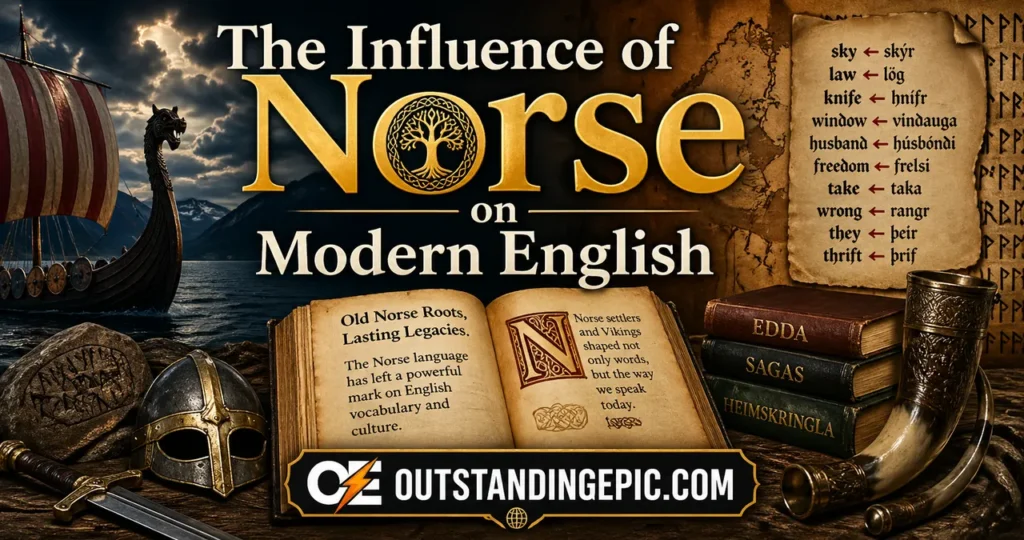
Many English words have Old Norse origins, especially due to Viking influence in Britain. Words like “sky,” “knife,” and “window” trace back to Norse roots.
This connection makes english to old norse translation particularly fascinating, as it reveals how languages evolve and influence one another over time.
Reconstructing Meaning Instead of Translating Words
A key principle in english to old norse work is reconstruction rather than direct translation. Since languages differ structurally, meaning must often be rebuilt rather than transferred.
This approach ensures that translations remain true to both the source and target languages, preserving intent while adapting form.
Writing in Old Norse for Creative Projects
Many writers and game developers use english to old norse translation to create immersive worlds. Authentic language use adds depth and realism to storytelling.
However, achieving authenticity requires more than copying words—it involves understanding tone, cultural references, and linguistic patterns unique to Old Norse.
The Role of Poetry and Style in Old Norse
Old Norse literature is deeply poetic, with strong traditions of alliteration and metaphor. Translating English into this style requires sensitivity to rhythm and literary devices.
As one linguistic expert noted, “Old Norse is not just a language—it is a poetic system where meaning and form are inseparable.” This highlights the artistic dimension of translation.
Learning Old Norse as a Modern Skill
Learning Old Norse is increasingly popular among historians, linguists, and enthusiasts. It offers insight into medieval culture and enhances understanding of language evolution.
For those working on english to old norse translation, even basic knowledge of grammar and vocabulary can significantly improve accuracy and confidence.
Challenges of Modern Concepts in Old Norse
Modern ideas often lack direct equivalents in Old Norse, requiring creative adaptation. Concepts like “internet” or “software” must be expressed through descriptive phrases.
This challenge reinforces the importance of flexibility and contextual thinking in english to old norse translation.
How to Start Translating English to Old Norse
Beginners should start with simple sentences and gradually build complexity. Focusing on grammar fundamentals and common vocabulary creates a strong foundation.
Consistent practice, combined with reference materials, helps develop the skills needed for accurate english to old norse translation.
The Future of Old Norse in Digital Spaces
Interest in Old Norse continues to grow, especially in gaming, media, and online communities. Digital tools are improving, but human expertise remains essential.
As more people explore english to old norse translation, the language gains new life in modern contexts while preserving its historical roots.
Conclusion
English to Old Norse translation is both a technical and creative process that goes far beyond simple word conversion. It requires an understanding of grammar, context, culture, and historical nuance. By approaching translation as reconstruction rather than substitution, you can produce results that are accurate, meaningful, and authentic.
Whether you’re writing, studying, or exploring language for personal interest, mastering english to old norse opens a unique window into the past while enriching your understanding of linguistic evolution.
FAQ Section
What is the best way to start english to old norse translation?
Start with basic grammar and vocabulary, then practice translating simple sentences while focusing on structure rather than direct word replacement.
Are online tools reliable for english to old norse?
Most tools provide rough approximations, but they often lack grammatical accuracy, so manual correction is essential.
Why is english to old norse so difficult?
The complexity comes from differences in grammar, inflections, and cultural context, making direct translation challenging.
Can modern words be translated into Old Norse?
Yes, but they usually require descriptive reconstruction rather than direct equivalents.
Is learning Old Norse necessary for accurate translation?
While not mandatory, learning the basics greatly improves the quality and authenticity of english to old norse translations.
Latest Insights for You: OutstandingEpic

OutstandingEpic Editorial Team is an independent digital publishing unit focused on delivering high-quality, insight-driven content across technology, business, health, gaming, sports, and home improvement.
Rather than following generic reporting, the team combines data-backed research, market observations, and real-world analysis to break down complex topics into practical, easy-to-understand insights. From emerging crypto trends and digital innovations to everyday lifestyle improvements, every piece of content is crafted with clarity, accuracy, and reader value in mind.
The team’s approach is centered on relevance and usability—ensuring that readers not only stay informed but also gain actionable knowledge they can apply in real scenarios. By continuously tracking industry shifts and evolving online trends, OutstandingEpic Editorial Team maintains a consistent standard of trustworthy and up-to-date content.
Expertise: Data-Driven Insights, Crypto & Market Trends, Digital Strategy, Tech & Innovation
Coverage: Technology, Business, Health, Gaming, Sports, Home Improvement
Approach: Research-Based, Practical, and User-Focused Content
Updated: April 2026